Technical article
Cheapest Isn’t Cheapest: What a Moen Kitchen Faucet Taught Me About Industrial Sealants
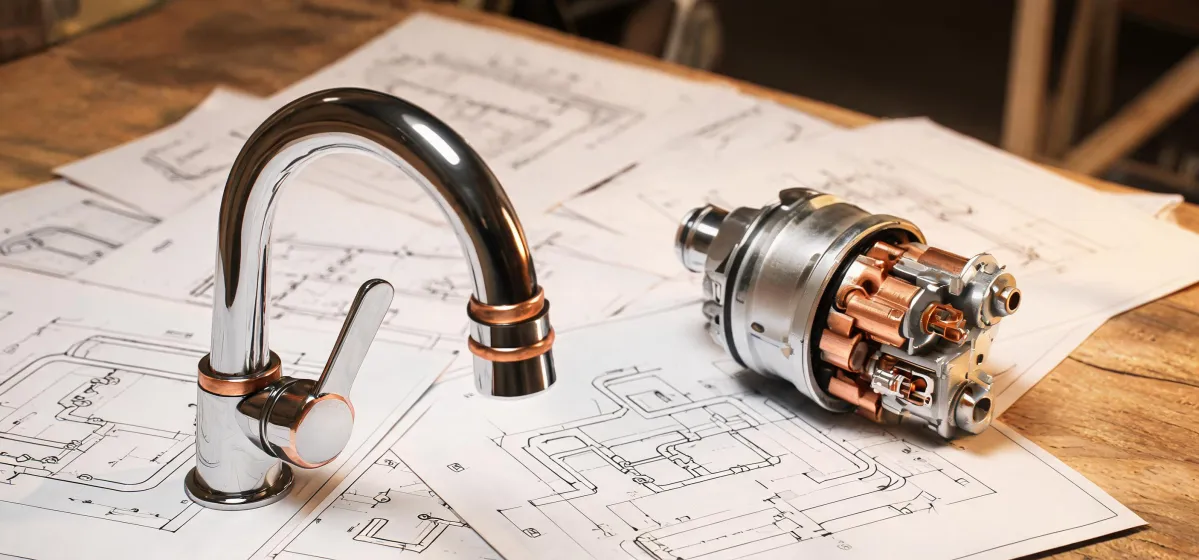
I’m the office administrator who handles purchasing for a regional building-services company—about 180 people across eight properties, if you count our contract maintenance crews. In any given month I might order a Moen kitchen faucet, a Moen shower handle replacement for one of our gym bathrooms, and a pallet of elastomeric coating wholesale for a roof job. It looks like an unrelated shopping list. The buying mistakes, it turns out, are not unrelated.
When I took over purchasing in 2021, my instinct was simple: compare the unit price, check the delivery date, and order from whoever had the lowest number. That works for copier paper. It doesn’t work the same way for replacement parts and building materials. I learned that difference the expensive way.
What a “Cheaper” Moen Kitchen Faucet Actually Taught Me
The first sign was a Moen kitchen faucet for a break room. Our normal supplier quoted me a model I knew, and a new vendor quoted $34 less on the same part number. The faucet arrived on time, and the product itself was fine. Oh, and the invoice was a mess—the vendor’s system didn’t map its line items to our PO, so finance couldn’t match the delivery to the approval. I spent part of two days tracking down a reference number. The $34 saving disappeared in that administrative time. That was the mild version of the problem.
A few months later, I needed a Moen shower handle replacement for a tenant bathroom. The price was better than our usual source, but the supplier had nobody who could answer a simple compatibility question. Replacement handles aren’t just one SKU. Finish codes, trim generations, and handle styles all matter. A good bathroom fixture distributor will ask whether you need a handle only, a trim kit, or the full valve rebuild rather than assuming the part number covers everything. This one couldn’t, and we lost a full day of scheduled maintenance while we waited for clarification.
The same blind spot showed up on the building side. When you buy elastomeric coating wholesale, the per-gallon price tells you almost nothing about the project price. Does the quote include freight? Are the buckets from one production lot? Can the supplier produce a certificate of analysis when the GC asks for it? On one roof project, the low per-gallon quote looked like a win until the pallets arrived without lot traceability and the roofing contractor refused to start. The extra day of rented lift and the rescheduled crew cost more than the coating discount. No amount of good material spec can fix bad supplier logistics.
The Real Problem Is the Supplier, Not the SKU
The deeper issue is that we treat these purchases as isolated products. A Moen kitchen faucet is not just brass and plastic. It is also the order accuracy, the warranty process, the invoice format, and the human being who can answer a question before the plumber shows up. An elastomeric coating is not just a drum of liquid. It is the lot code, the technical data sheet, the delivery window, and the paperwork trail that lets the contractor apply it with confidence.
When you buy from the cheapest listing, you often take on the work the supplier should be doing. You become the person who verifies the part, chases the documentation, and explains to operations why a bathroom is still closed. That shift in work is the hidden cost that never shows up on the quote.
I now think about purchasing in five layers: quoted unit cost, freight, documentation compliance, installation or rework risk, and downtime. A $30 difference on one line item can be erased by one failed delivery or one wrong trim. And the worst part isn’t only the money. It’s standing in a meeting with operations and finance, explaining that a small avoidable mistake cost more than the discount was worth.
What to Look For in a Bathroom Fixture Distributor (or an Industrial Sealant Supplier)
So what do I look for in an industrial sealant supplier? The same thing I look for in a bathroom fixture distributor: not the lowest quote but the lowest-risk quote. When I qualify a vendor now, I ask four questions.
- Do they know the product beyond the listing? A Moen shower handle replacement needs someone who can confirm compatibility. An elastomeric coating supplier needs to know how the product behaves on your substrate, not just how to move a pallet.
- Will the paperwork support the job? Clean line items that match the PO, the correct invoice reference, lot numbers, certificates of analysis, SDS sheets, and warranty documentation all matter before the product is installed.
- What happens when there is an exception? Returns, damaged drums, missing trim pieces, warranty claims—these moments separate a real distributor from a middleman. I want to know exactly who owns the problem after the delivery.
- Is the quote complete? Freight, handling, restocking fees, minimum order quantities, and realistic lead times. If those are missing, the price comparison is fiction.
There is no reason to overcomplicate it. For Moen products, I want a bathroom fixture distributor who has actually seen the parts fail and knows which trim kit belongs on which valve. For industrial sealants, I want a supplier who can send current technical documents and talk about shelf life, cure time, and surface prep without reading from a script. The product knowledge is not a nice extra. It is a form of risk transfer.
During our 2024 vendor consolidation project, we cut our list of suppliers significantly. We didn’t do it because consolidation sounds cleaner. We did it because the suppliers who passed those four checks were cheaper in total cost than the discount sellers who failed them. I still compare pricing, but only after a new supplier clears the same evaluation. Price matters. It just matters after you know what you’re actually buying.
The cheapest product is easy to find. The cheapest supplier is the one who removes the risk from your side of the table and keeps the project moving. That distinction has saved us far more than any one-time discount ever did.

Emilia Novak
Emilia Novak is a flooring and architectural-surfaces analyst covering ceramic and porcelain tile, natural stone, resilient flooring, underlayments, countertops, adhesives, grout, and installation accessories. She uses ASTM C373 and ASTM C648 test evidence while comparing water absorption, breaking strength, slab flatness, substrate moisture, joint width, slip resistance, and installed tolerances. Her specification guides help architects, contractors, and buyers match surface systems to traffic, wet-area exposure, maintenance demands, and substrate conditions.